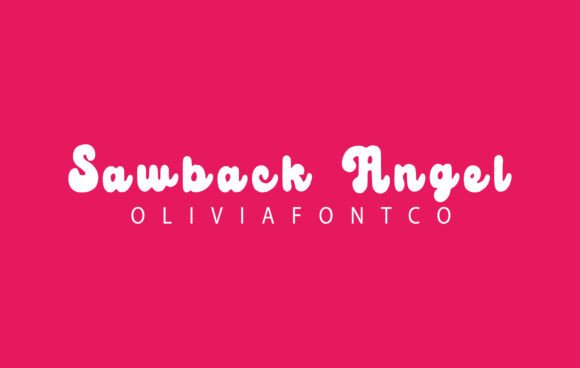
March Culture
A Script with Soul
March Culture is a script font that feels like it was written by hand, yet carries a refined edge. Its curves are fluid and expressive, but not overly ornate. The letterforms have a natural rhythm, as if they were drawn in one continuous motion. This gives the font a warm, personal feel that can easily translate into a brand’s personality.
The First Impression
At first glance, March Culture evokes a sense of elegance and approachability. It’s not the kind of script that screams “luxury,” but rather one that feels inviting and authentic. The weight of the strokes is consistent, which adds to its readability even at larger sizes. This makes it a versatile choice for both digital and print applications.
Visual Personality
March Culture has a soft, almost handwritten vibe that works well for creative brands, lifestyle products, or anything that needs a touch of personality without being too flashy. It’s ideal for projects that aim to communicate warmth, creativity, and a human touch.
Real-World Applications
March Culture shines in areas where a bit of flair is needed without overwhelming the message. It’s a great fit for logos, especially those that want to convey a sense of tradition or craftsmanship. When used in brand identity, it can help establish a unique visual voice that stands out in a crowded market.
- Logo Design: March Culture can be used as a primary typeface for logos, especially in industries like fashion, food, or artisanal goods.
- Editorial Design: Its readability and style make it suitable for magazine covers, book titles, or editorial headers.
- Packaging Design: The font adds a tactile quality to product labels and packaging, making them more appealing to the eye.
- Social Media Graphics: It works well for Instagram captions, Facebook banners, or Twitter headers where a personal touch is desired.
- Digital Ads: Used sparingly in headlines or call-to-action buttons, March Culture can draw attention without being distracting.
Where to Use with Care
While March Culture is a strong display font, it should be used thoughtfully. It’s best suited for headlines, short phrases, or decorative accents. Avoid using it for long blocks of text, as its flowing nature can make dense content harder to read.
When applying it to brand marks or supporting text, ensure it complements other fonts in your design system. It pairs well with sans serif fonts for contrast and balance. For example, pairing it with a clean sans serif like Helvetica or Montserrat can create a modern typography setup that feels both professional and stylish.
Readability and Hierarchy
March Culture performs well in large sizes, where its curves and spacing become more pronounced. However, at smaller sizes, the thin strokes can make it less legible. Always test it in black and white to see how it holds up in different environments. It’s also important to check small-size readability when using it for product labels or website headers.
For optimal hierarchy, use March Culture for headlines and subheadings, while keeping body text in a more readable sans serif or serif font. This ensures clarity and maintains audience trust, especially on websites or marketing materials.
Design Notes for Practical Use
As a designer, I recommend testing March Culture on real mockups to see how it interacts with other design elements. Try it beside serif, sans serif, script, handwritten, and display fonts to find the best font pairing for your project. Also, consider how it looks in different contexts—on a poster versus a digital ad, or on a Canva template versus a Cricut project.
Before using March Culture commercially, always confirm the commercial licensing terms. It’s a premium font, and ensuring proper usage is crucial for both legal compliance and brand consistency.
Final Thoughts
March Culture is a creative font that brings a unique visual personality to any project. It’s not just another script—it’s a tool that can elevate branding, packaging, and digital assets with its elegant, handwritten charm. When used thoughtfully, it can enhance engagement, reinforce brand identity, and create a lasting impression.